
The new generation builds on the established Cool Liner concept, which already stands for efficient and versatile refrigerated logistics solutions – including fully electric refrigeration concepts, multi-temperature equipment and intelligent telematics solutions. The aim of the current further development was to enhance the substance of the vehicle in key areas and to further optimise life cycle costs.
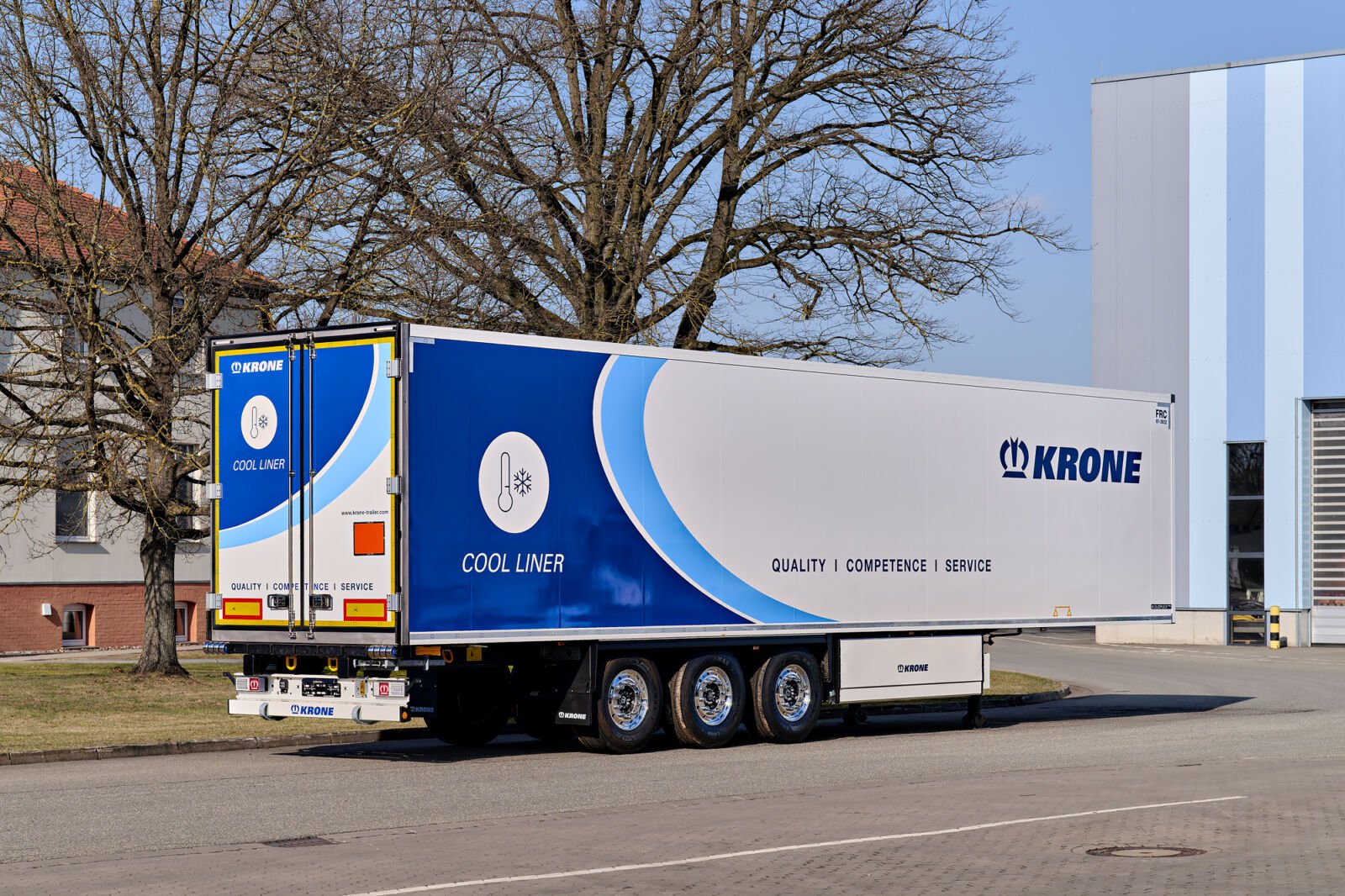
‘With the new Cool Liner generation, we deliberately did not aim for a revolution, but rather further developed the design details where they make the biggest difference in everyday use,’ explains Frank Nordhoff, Cool Liner product expert at Krone. “Our aim was to further increase stability, robustness and value retention, while at the same time optimising cost-effectiveness over the entire life cycle. The result is a vehicle that is even more reliable in the tough everyday world of refrigerated transport.”
Insulated body with optimised structure
The side walls and roof continue to be manufactured as large panels using an open foaming process. The homogeneous foam structure ensures an optimum K value and thus stable temperature control over the entire service life. The inner deck layer of the side wall has been redesigned at the transition to the roof and in the highly stressed area at the floor interface. This increases structural stability, especially during intensive loading and unloading.
The base skirting has also been redesigned. An optimised cross-section increases resistance to mechanical impact from industrial trucks and at the same time improves the seal against moisture. Adapted edging profiles on the outside support an optimised bonding process and contribute to a further increase in overall stability.
Rear frame structurally reinforced
In the rear area, detailed, locally reinforced sections and reinforced door hinge blocks significantly reduce stress peaks, especially in the sensitive corner areas. New plastic inserts improve insulation and sealing and also support the rear frame floor profile during high-frequency forklift traffic.
A new design in the lower corner area of the rear frame enables permanent sealing to the side wall. At the same time, the sealing joint in the wet area of the floor has been eliminated by design. The result is increased long-term tightness and a noticeable contribution to value retention.