
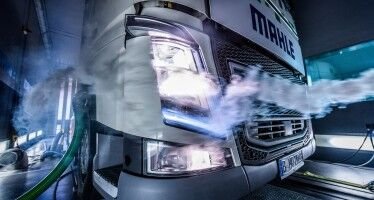
MAHLE is set to introduce a new range extender system for heavy-duty battery-electric trucks at IAA Transportation 2026, aiming to overcome two of the biggest barriers to fleet electrification: limited driving range and insufficient charging infrastructure. The new technology combines electric mobility with the flexibility of an onboard combustion-powered generator, enabling electric trucks to travel more than 800 kilometers on a single journey.
A Practical Solution for Fleet Operators
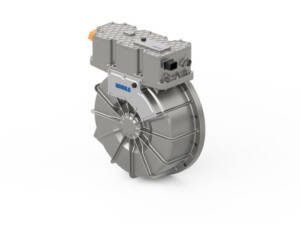
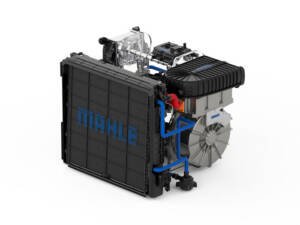
The compact range extender integrates a high-voltage generator, combustion engine, thermal management system, fuel tank and exhaust aftertreatment into a single module. By replacing roughly one-third of a truck’s battery capacity, the system reduces vehicle weight while maintaining long-distance capability, making battery-electric trucks more practical for commercial transport.
Lower Emissions, Greater Efficiency
According to MAHLE, trucks equipped with the new system can cut CO₂ emissions by around 80% compared with conventional diesel vehicles during range extender operation. When powered by renewable fuels such as HVO100 biodiesel, the system can operate with nearly carbon-neutral emissions.
Rare-Earth-Free Electric Motor Debuts
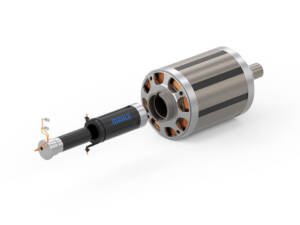
Another highlight at IAA Transportation 2026 will be MAHLE’s new MCT electric motor, developed without permanent magnets or rare-earth materials. The motor is around 10% lighter, delivers up to 370 kW of peak power and achieves approximately 95% efficiency in the EU’s VECTO testing cycle, offering a more sustainable solution for heavy commercial vehicles.
Expanding Electrification Portfolio
MAHLE says it is strengthening its position in commercial vehicle electrification with advanced thermal management systems, electric pumps, fans and traction motors. The company expects strong growth over the next five years, supported by increasing demand from European and Asian truck manufacturers.
Renewable Fuels Still Play a Key Role
While electrification continues to accelerate, MAHLE believes renewable fuels and hydrogen technologies will remain essential for reducing emissions from existing commercial vehicle fleets. The company continues to invest in solutions that support both electric mobility and cleaner combustion technologies, creating a multi-path strategy for decarbonizing road transport.