

Bu siteyi kullanarak Gizlilik Politikası ve Kullanım Şartları'nı kabul etmiş olursunuz.
Kabul et
Ticari Araçlar DünyasıTicari Araçlar DünyasıTicari Araçlar Dünyası
Bildirimler
Yazı Tipi BoyutlandırıcıAa
  • Haberler
  • Tesli̇matlar
  • Röportajlar
  • Kampanyalar
  • Loji̇sti̇k
  • Yedek Parça
  • Fuarlar
  • Dernek
  • News
  • E-DergiYeni
Yazı Tipi BoyutlandırıcıAa
Ticari Araçlar DünyasıTicari Araçlar Dünyası
  • Haberler
  • Teslimatlar
  • Kampanyalar
  • Röportaj
  • E-Dergi
Ara
  • Haberler
  • Tesli̇matlar
  • Röportajlar
  • Kampanyalar
  • Loji̇sti̇k
  • Yedek Parça
  • Fuarlar
  • Dernek
  • News
  • E-DergiYeni
Bizi takip edin
NEWS

Strategies for deploying zero-emission bus fleets: Development of real-world drive cycles to simulate zero-emission technologies along existing bus routes

7 Nisan 2020
Paylaş
Bu haberin okuma süresi 2 dakikadır.
PAYLAŞ

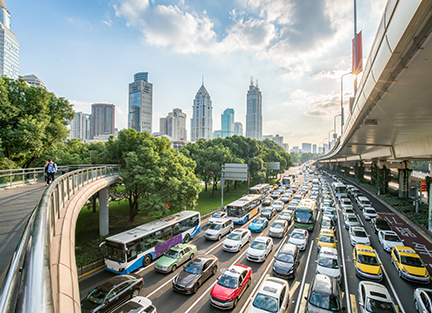
A route-level total cost-of-ownership (TCO) modeling framework can determine the total cost of the vehicles and infrastructure required to transition a single route entirely to zero-emission technology. The TCO modeling framework consists of three components: route-level drive cycle development, vehicle simulation, and a TCO assessment. This paper identifies methods for developing route-specific drive cycles in a large-scale urban bus fleet.

Drive cycle development informs a range of analytical tools that can shape decisions around technology selection for a given route, inform decisions on the minimum technology specifications for vehicles, and reveal the infrastructure and investments necessary to support the technology selected.

The development of a representative route-level drive cycle involves three steps. First, operational performance data are collected from buses traveling along these routes. Second, the data are reviewed to ensure data contained in the cycle development database are complete and contain valid data points. Third, a cycle development tool processes the data to obtain route-level drive cycles.

The Bangalore Metropolitan Transport Corporation (BMTC), the largest public operator of transit buses in India, aims to transition to 100% zero-emission vehicles by 2030. In support of these efforts, the ICCT is developing a route-level TCO model to inform BMTC’s decisions regarding routes, depots, and fleet procurement. The lessons from the planning, procurement, and deployment strategies will be used to inform future deployments of zero-emission buses in Bangalore and other cities.

Bu haberler ilginizi çekebilir

Transpotec Logitec and NME Closed with 31,686 Visitors
Busworld SEA 2026 Draws Global Industry Attention
Scania launches battery-electric CrewCab for rescue vehicles
Countdown Begins for Busworld Türkiye 2026
Menarini unveils Flash and Airon new electric bus models

Aylık Haber Bültenine Kaydolun

Gelişmeleri takip edin! Güncel haberleri doğrudan e-posta kutunuza alın.
Kaydolmakla, Kullanım Şartlarımızı kabul etmiş ve Gizlilik Politikamızda belirtilen veri uygulamalarını onaylamış olursunuz. İstediğiniz zaman aboneliğinizi iptal edebilirsiniz.
Bu Haberi Paylaşın
Facebook Bağlantıyı Kopyala Yazdır

Dergimiz Yayında

Okumak için Tıklayın
FacebookBeğen
InstagramTakip et
YouTubeAbone Ol
Ticari Araçlar Dünyası; lojistik, yedek parça, sektörel haberler ve özel röportajlarla ticari araç dünyasının nabzını tutuyor. Sektördeki en güncel teslimatları, kampanyaları ve fuar gelişmelerini dijital platformumuz ve E-Dergi sayılarımızla takip edebilirsiniz. Ticari araç sektörünün güvenilir bilgi kaynağı.
  • Künye
  • İletişim
  • Hakkımızda
  • Son Sayımız
  • Kullanım Koşulları
  • Reklam
  • Abonelik
  • Dergi Arşivi
  • Fuar takvimi
  • Gizlilik Politikası
banner
Tekrar hoşgeldiniz!

Hesabınıza giriş yapın

Kullanıcı Adı veya E-posta Adresi
Şifre

Şifrenizi mi unuttunuz?